

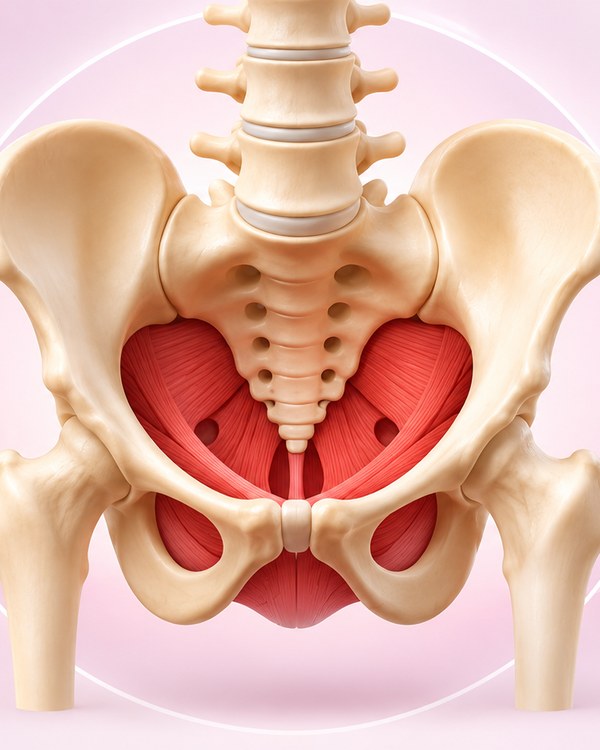
Signs you may notice
- Leaking when you cough, sneeze or exercise
- A sudden urgent need to go
- A feeling of heaviness or dragging
- Pelvic pain or pain during intimacy
How physiotherapy helps
- A private assessment with clear explanations
- An individual exercise programme
- Relaxation and breathing techniques
- Guidance for exercise and daily life
What can cause it?
- Pregnancy and vaginal birth
- Hormonal changes around menopause
- Long-term constipation and straining
- A chronic cough or heavy lifting
- Pelvic floor muscles that are too tight, which can cause pain
What Pelvic Floor Rehabilitation sessions involve
Your first session starts with a private conversation about your symptoms. We explain everything before any assessment, and nothing happens without your consent. Treatment usually includes learning to contract and relax the pelvic floor correctly, a personal exercise programme, breathing techniques, and advice on bladder and bowel habits.
How long recovery can take
Pelvic floor muscles, like other muscles, take time to strengthen. Many people notice changes after a few months of regular exercise. If the muscles are tight rather than weak, the focus is on relaxation, and progress varies.
What to expect at your first visit
- We listenA relaxed conversation about your history, your goals and what worries you.
- We assessA careful assessment to find the cause, with every step explained first.
- We plan togetherHands-on care, guided exercise and a home plan made for you.
Simple things that help at home
- Practise your pelvic floor exercises daily as shown
- Avoid straining on the toilet; keep stools soft with fluids and fibre
- Breathe out as you lift heavy things
- Do not 'go just in case' too often, which can train the bladder to hold less
See a doctor first if you have
- Blood in your urine
- Sudden inability to pass urine
- Heavy or unusual vaginal bleeding, or bleeding after menopause
- Pelvic pain with fever
Pelvic Floor Rehabilitation care at SHEroots, Madurai
SHEroots is a women-first physiotherapy clinic in Chinna Chokkikulam, Madurai, led by Dr. Chitra Karthick (BPT, MIAP, MD (Acu)). Every plan starts with a proper assessment, and we look for the reason behind your symptoms, not only the pain itself. Sessions take place in a calm, private room, and we explain each step in plain words, in English or Tamil.
Pelvic Floor Rehabilitation: common questions
Is pelvic floor physiotherapy only for women who have given birth?
No. Pelvic floor problems can affect women at any age, including those who have never been pregnant, and men too.
Is an internal examination needed?
Not always. We explain the options, and you choose what you are comfortable with. Many people improve with an external assessment and exercises alone.
How do I know I'm doing the exercises correctly?
Many people do them incorrectly without realising. Part of the assessment is checking your technique and giving you clear feedback.
Is this right for me?
Every plan starts with an assessment. We will tell you honestly if physiotherapy suits you, or if you should see another health professional.
What should I bring?
Comfortable clothes you can move in, and any scan reports, referral letters or a list of your medicines.
This page is general information, not a diagnosis or medical advice. Results vary from person to person. If you have severe or sudden symptoms, please seek urgent medical care.