
Who it may suit
- Muscle knots or persistent tightness
- Neck, shoulder or back muscle pain
- Active people with tight muscles
- Anyone who has been advised it may suit them
How physiotherapy helps
- An assessment first, to see if it suits you
- Used as part of a wider plan
- Combined with movement and exercise
- A clear explanation of what to expect
Common reasons people come to us
- Persistent muscle tightness or 'knots' (trigger points)
- Neck, shoulder and upper-back muscle pain
- Low back and buttock muscle tension
- Overuse in sport or physical work
- Muscle pain that has not settled with exercise alone
What Dry Needling Therapy sessions involve
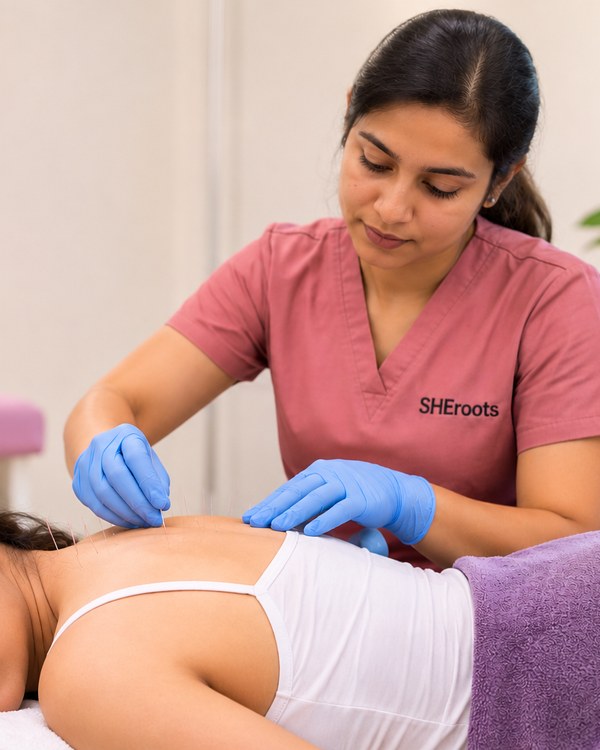
Dry needling is only used after an assessment shows it may suit you, and always with your consent. We explain what it involves, use single-use sterile needles, and combine it with movement and exercise as part of a wider plan. If you prefer not to have needling, other techniques can be used instead.
How long recovery can take
Some people feel easier movement soon after a session, while others need a few sessions to notice a difference. Mild soreness for a day or two afterwards is common. Dry needling works best as one part of an active plan.
What to expect at your first visit
- We listenA relaxed conversation about your history, your goals and what worries you.
- We assessA careful assessment to find the cause, with every step explained first.
- We plan togetherHands-on care, guided exercise and a home plan made for you.
Simple things that help at home
- Keep moving gently after a session
- Use warmth if you feel muscle soreness
- Drink water and continue your home exercises
- Tell us about any unusual reactions at your next visit
See a doctor first if you have
- Sudden breathlessness or chest pain after needling near the chest wall (seek emergency care)
- Signs of infection at a needle site: spreading redness, heat or fever
- Fainting or feeling very unwell
Dry Needling Therapy care at SHEroots, Madurai
SHEroots is a women-first physiotherapy clinic in Chinna Chokkikulam, Madurai, led by Dr. Chitra Karthick (BPT, MIAP, MD (Acu)). Every plan starts with a proper assessment, and we look for the reason behind your symptoms, not only the pain itself. Sessions take place in a calm, private room, and we explain each step in plain words, in English or Tamil.
Dry Needling Therapy: common questions
Is dry needling the same as acupuncture?
They use similar needles but are based on different approaches. Dry needling targets tight spots in muscles as part of physiotherapy treatment.
Does dry needling hurt?
Most people feel a small prick and sometimes a brief twitch or ache in the muscle. We check your comfort throughout.
Who should not have dry needling?
It may not be suitable in some situations, such as early pregnancy, bleeding disorders, a fear of needles or certain medical conditions. We check this before starting.
Is this right for me?
Every plan starts with an assessment. We will tell you honestly if physiotherapy suits you, or if you should see another health professional.
What should I bring?
Comfortable clothes you can move in, and any scan reports, referral letters or a list of your medicines.
This page is general information, not a diagnosis or medical advice. Results vary from person to person. If you have severe or sudden symptoms, please seek urgent medical care.